
From Silence to Authorship
The Color PurpleThis thread follows how letters, songs, and sewing allow characters to tell stories that authority had tried to suppress.
increasing Bearing strength in each event
 decreasing
Bearing strength in each eventdecreasingWriting as First Speech
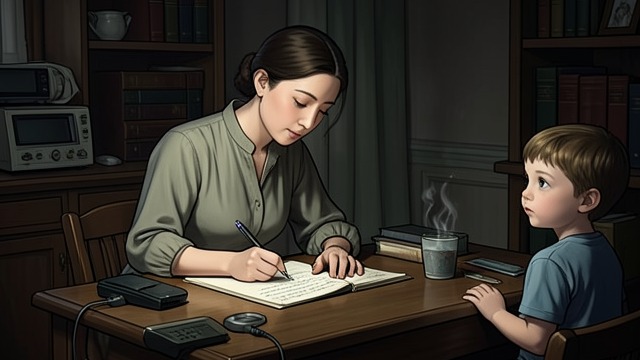
Writing as First Speech
A Record of Harm
Celie writes because she has been told not to speak about abuse. Her letters provide a private form in which she can state what happened and ask for a witness.
The act of writing does not immediately change her circumstances, but it prevents her experience from disappearing entirely.
A Voice Still Forming
Celie's language reflects the education and speech available to her, yet it carries careful observation and emotional precision. Her voice develops as her sense of self grows.
Writing becomes an early act of authorship in a life where other people claim authority over her story.
A Letter Hidden in a Trunk
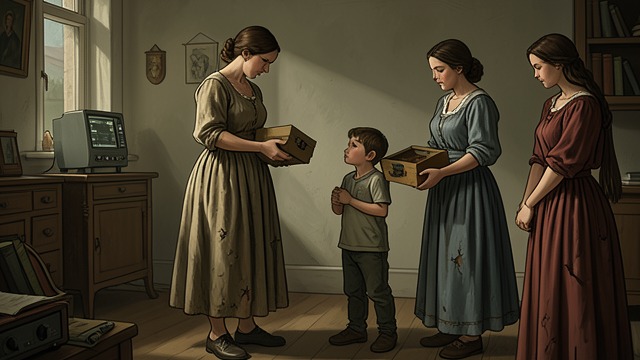
A Letter Hidden in a Trunk
Words Withheld
Nettie writes over many years, but Albert hides her letters. The correspondence exists while Celie is denied the knowledge it contains.
The hidden pages reveal that writing can preserve a relationship without guaranteeing that the recipient will receive it.
Reading Together
Shug helps Celie retrieve and read the letters. Celie learns about Africa, her children, and the family history Albert tried to conceal.
Reading turns a private archive into shared knowledge and makes the sisters' bond active again.
A Song Named for Celie

A Song Named for Celie
A Private Feeling Given Form
Shug performs a song she says Celie helped bring out of her head. For Celie, hearing her name attached to a song is a new experience of recognition.
The music transforms a private connection into an expression that others can hear.
Art as Witness
Celie does not need to understand every lyric to feel that something of her has entered the performance. The song gives emotional value to a life often treated as insignificant.
Art becomes a form of testimony that does not depend on official approval.
Sewing a Livelihood
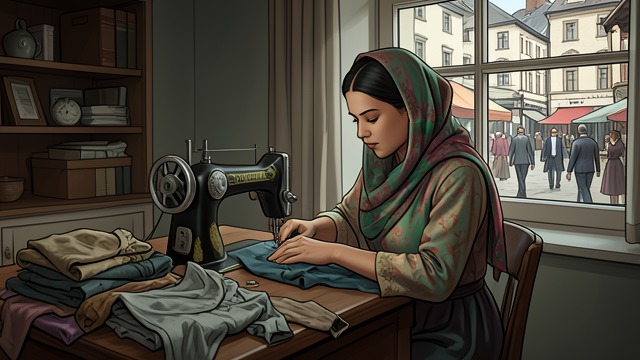
Sewing a Livelihood
Stories in Cloth
Celie adapts her sewing to the bodies and needs of people around her. Pants become a medium through which she expresses attention, skill, and imagination.
Her work is not merely productive; it gives visible form to the lives she cares about.
A Voice in the Market
Orders allow Celie to sell her designs and hire other women. Her labor becomes publicly valued rather than absorbed into an unpaid household role.
The business gives her a new way to author her future, one garment at a time.
The Sisters Speak Again
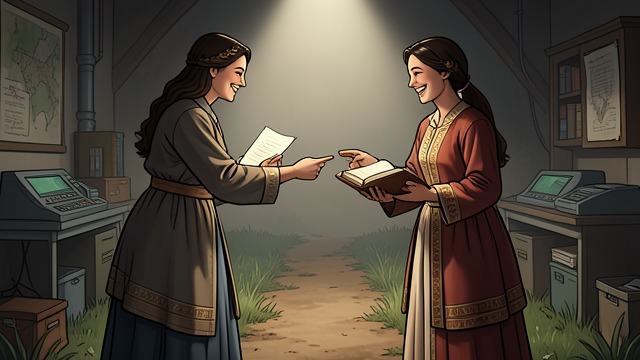
The Sisters Speak Again
Years of Address
Nettie has continued writing to Celie even when she believes the letters may never arrive. Celie eventually answers in her own way, shifting from letters to God to letters to her sister.
Their separate acts of writing preserve a relationship that physical distance and deliberate interference could not erase.
Presence at Last
When the sisters meet, the written connection gives way to touch and spoken names. Their reunion does not need to explain every lost year before it becomes real.
The letters have carried them toward a moment when they can share the story face to face.
When Celie begins writing to God
When Shug finds Nettie's correspondence
At Shug's early performance in Harpo's juke joint
During Celie's early Memphis business
At the reunion near the novel's ending
